Happenings
Introduction
Symbiosis Law School, Nagpur, has consistently emphasized the integration of theoretical knowledge with practical legal skills. In line with this objective, a three-day guest lecture series was organized from 24th to 26th March 2026 for the second-year students (4th semester). The sessions were conducted by Prof. Richa Kochar, an esteemed academician and expert in property law and legal drafting.
The theme of the lecture series, “Foundations of Deed Drafting in Property Law: A Practical Approach,” was carefully chosen to equip students with essential drafting skills that are indispensable in legal practice. The sessions aimed to bridge the gap between doctrinal understanding and real-world application, particularly in the domain of property transactions.
Objectives of the Lecture Series
The guest lectures were designed with the following objectives:
- To introduce students to the fundamentals of deed drafting in property law.
- To develop practical understanding of legal language and structure used in drafting.
- To familiarize students with different types of property-related documents.
- To enhance analytical and interpretative skills in relation to legal documents.
- To prepare students for internships and future professional roles involving drafting work.
Overview of the Sessions
Day 1: Introduction to Deed Drafting and Basic Concepts
The first day laid the foundation by introducing students to the concept and significance of deed drafting in legal practice. Prof. Kochar explained the importance of precision, clarity, and legal validity in drafting documents.
Key highlights included:
- Understanding the meaning and purpose of a “deed.”
- Essential components of a valid legal document.
- Importance of proper language, formatting, and structure.
- Common terminologies used in property law drafting.
The session was highly interactive, with students encouraged to analyze sample documents and identify key clauses. This approach helped them understand how theoretical principles are applied in practice.
Day 2: Types of Property Deeds and Drafting Techniques
The second day focused on different types of property-related deeds and the techniques involved in drafting them. Prof. Kochar provided detailed insights into:
- Sale Deeds
- Lease Deeds
- Gift Deeds
- Mortgage Deeds
Students were guided through the structure of each document, including:
- Recitals
- Operative clauses
- Rights and obligations of parties
- Indemnity and dispute resolution clauses
The session also emphasized the importance of tailoring documents to specific transactions and avoiding ambiguities. Real-life examples and case-based discussions made the session highly engaging and practical.
Day 3: Practical Application and Drafting Exercises
The final day was dedicated to hands-on learning. Students were given drafting exercises and hypothetical scenarios to apply their understanding.
Key aspects covered:
- Drafting clauses for property transactions.
- Identifying and correcting errors in sample deeds.
- Understanding legal risks and how drafting can mitigate them.
- Importance of due diligence in property matters.
Prof. Kochar provided detailed feedback on students’ work, which significantly enhanced their confidence and competence in drafting. The session concluded with a discussion on career opportunities in legal drafting and property law practice.
Learning Outcomes
The lecture series proved to be highly beneficial and enriching for the students. By the end of the sessions, students were able to:
- Understand the structure and components of various property deeds.
- Develop basic drafting skills required in legal practice.
- Analyze legal documents critically and identify key clauses.
- Appreciate the importance of clarity and precision in legal drafting.
- Gain practical exposure to real-world legal documentation.
Student Engagement and Feedback
The sessions witnessed active participation from students throughout the three days. The interactive teaching methodology adopted by Prof. Kochar, including discussions, examples, and practical exercises, created a dynamic learning environment.
Students expressed that:
- The sessions were highly practical and application-oriented.
- The exposure to real drafting techniques was invaluable.
- The hands-on exercises helped them understand complexities effectively.
- The lectures enhanced their interest in property law and legal drafting.
Overall, the feedback received was overwhelmingly positive, with students appreciating both the content and the delivery of the sessions.
Significance of the Lecture Series
The importance of such guest lectures lies in their ability to supplement classroom teaching with practical insights. Deed drafting is a crucial skill for law students, especially those aspiring to enter litigation, corporate law, or property law practice.
This lecture series:
- Bridged the gap between theory and practice.
- Prepared students for internships and professional responsibilities.
- Provided exposure to real-world legal drafting challenges.
- Encouraged critical thinking and problem-solving skills.
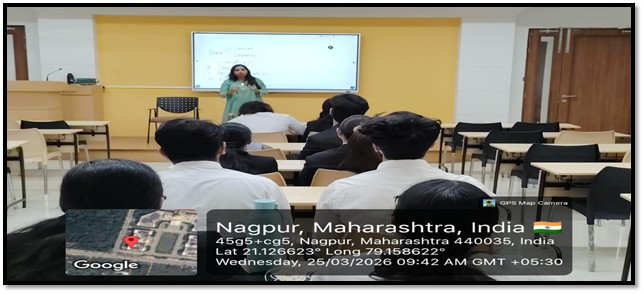
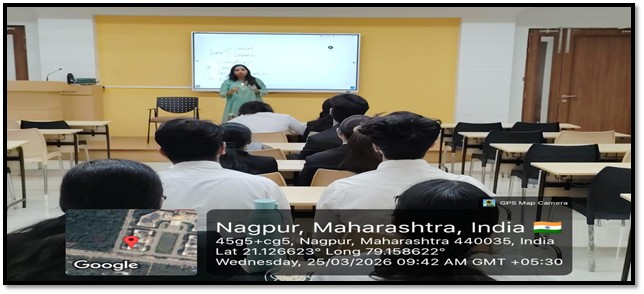
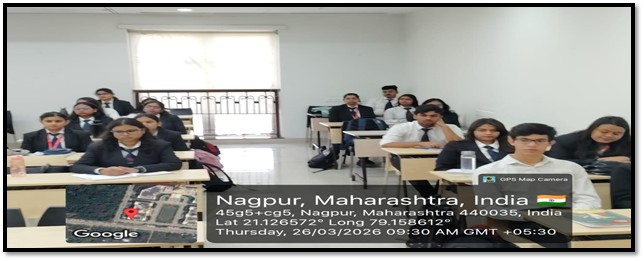
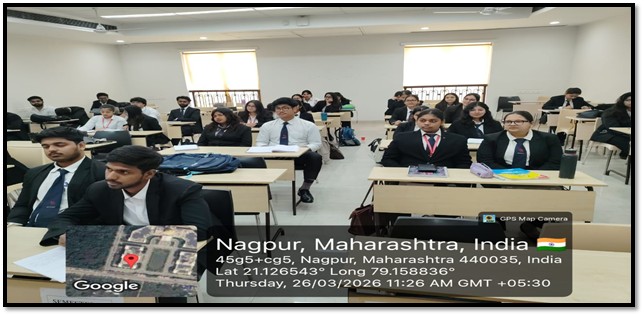
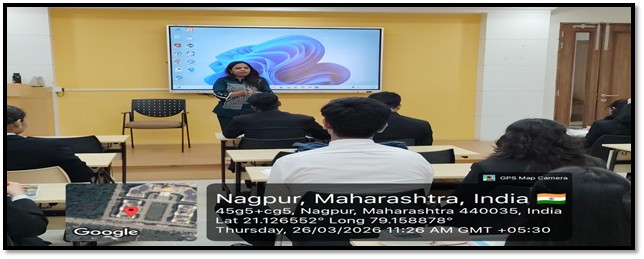
Geotagged Picture from the Lecture
Conclusion
The three-day guest lecture series conducted by Prof. Richa Kochar on “Foundations of Deed Drafting in Property Law: A Practical Approach” was a highly enriching and insightful experience for the students of Symbiosis Law School, Nagpur.
The sessions successfully achieved their objective of imparting practical knowledge and enhancing drafting skills among students. The interactive and application-based approach adopted by the speaker ensured that students not only understood the concepts but were also able to apply them effectively.
Such initiatives play a vital role in shaping competent legal professionals and should be encouraged in the academic curriculum. The institution expresses its sincere gratitude to Prof. Kochar for her valuable contribution and looks forward to organizing more such sessions in the future.


